
Creating a relaxing home workspace is essential for maintaining focus, reducing stress, and boosting productivity throughout your workday. Whether you work remotely full-time or occasionally take tasks home, having a dedicated, calming environment designed to promote concentration can make a significant difference. This guide will walk you through practical tips to set up a home office that helps you feel relaxed and ready to tackle your to-do list.
Why a Relaxing Workspace Matters
Your work environment directly impacts your mood, efficiency, and creativity. A cluttered or stressful space can lead to distractions and burnout. Conversely, a well-planned workspace promotes positive habits, consistent focus, and overall wellbeing. Taking the time to create a relaxing area tailored to your needs supports a healthier transition between work and personal life, especially in a home setting.
Choosing the Right Location
Finding the ideal spot for your workspace is the first step toward comfort.
– Pick a Quiet Area: Choose a space away from household noise and high traffic to limit distractions. Bedrooms, spare rooms, or unused corners can work well.
– Good Lighting: Natural light helps keep you alert and can improve your mood. Position your desk near a window if possible. If natural light is limited, invest in quality artificial lighting that is bright but not harsh.
– Comfortable Temperature and Ventilation: Ensure the space is well-ventilated and at a comfortable temperature to stay refreshed throughout the day.
Setting Up Your Desk and Chair
The physical setup affects both comfort and relaxation. Ergonomics play a vital role in reducing physical strain.
– Ergonomic Chair: Choose a chair that supports your back and encourages good posture. Adjustable height and lumbar support can prevent discomfort.
– Appropriate Desk Height: Your desk should accommodate your chair comfortably, allowing your arms to rest naturally while typing or writing.
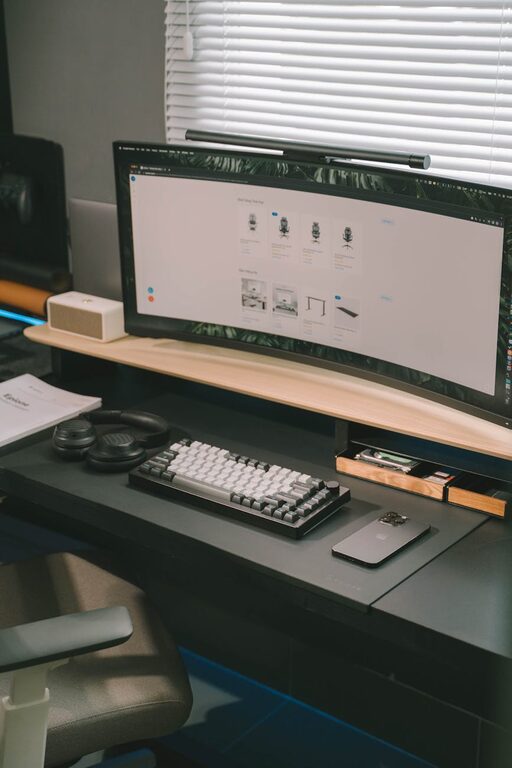
– Organized Workspace: Keep your desk clutter-free by using trays, drawers, or organizers to store supplies. A tidy area supports mental clarity.
Personalizing Your Environment
Making your workspace visually appealing and personalized helps create a calming atmosphere.
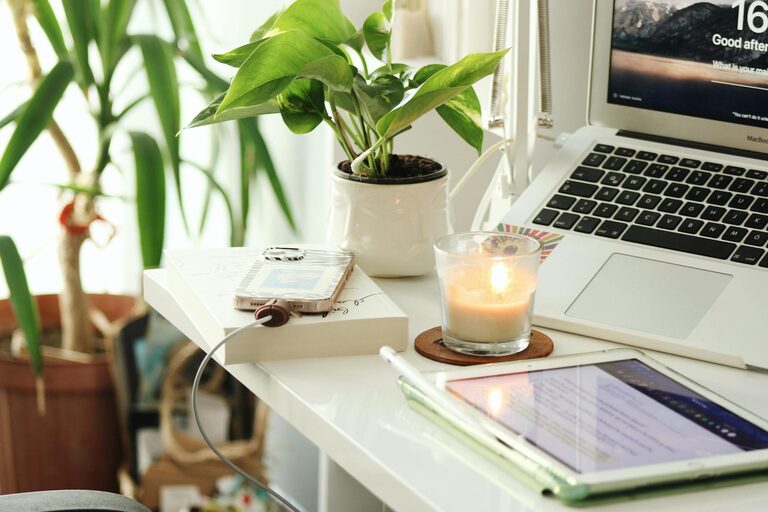
– Add Plants: Indoor plants improve air quality and add a touch of nature, which can reduce stress and increase productivity.
– Incorporate Calming Colors: Soft, neutral colors like blues, greens, or earth tones can create a soothing environment.
– Use Inspirational Items: Frame motivational quotes, photos, or art that inspire you without causing visual noise.
Minimizing Distractions
Reducing interruptions helps maintain your workflow.
– Noise Control: Use noise-canceling headphones or white noise machines if your environment tends to be noisy.
– Limit Digital Interruptions: Turn off unnecessary notifications during focused work sessions. Consider apps that help block distracting websites.
– Separate Work and Leisure: Avoid working in spaces associated with relaxation or entertainment, like the couch or bed, if possible.
Creating a Routine That Supports Relaxation
Establish habits that keep your mind and body in a calm, productive state.
– Take Regular Breaks: Follow techniques like the Pomodoro method—work for 25 minutes, then take a 5-minute break. Use breaks to stretch or do light movement.
– Practice Simple Desk Exercises: Gentle stretches and posture checks ease tension.
– Incorporate Mindfulness: Spend a few minutes at the start or end of your day practicing deep breathing or meditation to center yourself.
Organizing with Technology
Technology can both aid and hinder productivity. Manage it carefully.
– Use Cable Management: Keep cords organized and out of sight to preserve a clean look.
– Invest in Quality Equipment: A reliable computer, keyboard, and mouse reduce frustration and maintain efficiency.
– Backup Your Work: Regularly save and backup files to avoid stressful data loss situations.
Maintaining Your Workspace
A relaxing environment requires ongoing care.
– Daily Tidy-Up: Spend a few minutes each day clearing your desk.
– Deep Clean Weekly: Dust surfaces, clean screens, and vacuum the area.
– Reassess Periodically: As your needs evolve, adjust your workspace setup to keep it comfortable and functional.
Final Thoughts
Designing a relaxing home workspace is about more than aesthetics—it’s about creating an environment that supports your well-being and work habits. By focusing on comfort, organization, personalization, and mindful routines, you can build a space that not only looks inviting but also helps you maintain focus, reduce stress, and increase your productivity.
Take small steps to transform your current setup, adapting the tips above to suit your preferences and lifestyle. Over time, your home workspace will become a place where work feels less like a chore and more like a rewarding, enjoyable part of your day.
Related Posts
Tips for Creating a Cozy and Productive Home Office Space
Creating a home office that feels both cozy and productive…
Tips for Organizing Your Home Workspace to Boost Productivity and Comfort
Creating a well-organized home workspace can make a significant difference…

Tips for Creating a Sustainable Home Garden Year-Round
Creating a sustainable home garden is a fulfilling way to…