
Creating a home office that feels both cozy and productive is essential for anyone working remotely or spending significant time at home. A well-designed workspace can improve focus, reduce stress, and boost overall work performance. Whether you have a dedicated room, a corner of your living space, or a small nook, these tips will help you craft an environment where comfort meets efficiency.
Choose the Right Location
Selecting the ideal spot in your home is the first step in creating a productive office. Consider these factors when choosing:
– Natural Light: A space near a window provides natural light, which enhances mood and energy.
– Quietness: Opt for an area with minimal noise and distractions.
– Space: Ensure there is enough room for your desk, chair, and any other necessary equipment.
– Ventilation: Good airflow helps keep you alert and comfortable throughout the day.
If your home lacks a separate office room, consider using room dividers or partitions to create a distinct workspace.
Invest in Comfortable Furniture
Comfort directly affects how long and how well you work. Focus on furniture that supports good posture and reduces strain:
– Ergonomic Chair: Choose a chair with adjustable height, back support, and cushioning.
– Desk: Pick a desk at a comfortable height with enough surface area for your computer, notebook, and tools.
– Standing Desk Option: For some, alternating between sitting and standing improves comfort and reduces fatigue.
– Footrest or Cushions: These little additions can make a big difference in overall comfort.
Your furniture should invite you to sit and focus but also encourage healthy posture to avoid discomfort.
Optimize Lighting
Proper lighting is critical for both productivity and comfort. Here’s what to keep in mind:
– Use Natural Light Whenever Possible: Position your desk to take advantage of window light without causing screen glare.
– Supplement with Task Lighting: A desk lamp with adjustable brightness helps on cloudy days or late-night sessions.
– Avoid Harsh Overhead Lights: Soft, diffused lighting reduces eye strain and creates a cozy atmosphere.
Consider using bulbs with a warm color temperature to balance alertness with relaxation.
Personalize Your Space
A home office should feel inviting and reflect your personality while maintaining professionalism. Personal touches can make your workspace more enjoyable:
– Add Plants: Greenery improves air quality and adds a touch of nature.
– Use Artwork or Inspirational Quotes: Visual elements can motivate and brighten your mood.
– Choose Cozy Textiles: A soft throw blanket or a comfy rug makes the space feel warmer.
– Organize with Stylish Storage: Use containers, baskets, and shelves that look good and keep clutter at bay.
Personalization helps create a space you want to spend time in without overwhelming your focus.
Keep Your Workspace Organized
A tidy workspace contributes to a clear mind and better productivity. Here are ways to stay organized:
– Declutter Regularly: Remove unnecessary items from your desk daily.
– Use Cable Management Tools: Keep cords neat to avoid distractions.
– Set Up an Efficient Filing System: Whether digital or physical, organize documents for easy access.
– Use Trays or Holders: These can keep pens, notebooks, and accessories in place.
Implementing simple organization habits prevents chaos and saves time.
Manage Technology Effectively
Technology powers most home offices, so managing your devices wisely is key:
– Reliable Internet Connection: A stable connection minimizes disruptions.
– Ergonomic Keyboard and Mouse: These help reduce strain during long typing sessions.
– Monitor Placement: Position your screen at eye level to prevent neck pain.
– Use Headphones When Needed: They can help block noise and improve concentration.
Keeping your devices updated and regularly maintained ensures smooth workflow.
Establish Boundaries and Routine
Creating a cozy and productive office also means setting boundaries and routines:
– Define Work Hours: Stick to a schedule to separate work time and personal time.
– Set Clear Boundaries: Inform family or roommates of your work times to minimize interruptions.
– Take Breaks: Step away regularly for stretching, hydration, and rest to maintain energy.
– End Your Day with a Routine: Closing your laptop and tidying your desk signals the end of work hours.
Balanced habits promote sustained productivity and help prevent burnout.
Final Thoughts
Designing a cozy and productive home office is about balancing comfort, function, and personal style. By choosing the right location, investing in ergonomic furniture, optimizing lighting, organizing efficiently, and maintaining healthy boundaries, you can create a workspace that supports your best work every day. Remember, your home office is an extension of yourself—make it a place you enjoy spending time in.
Related Posts

Tips for Creating a Cozy and Inviting Home Office Space
Creating a cozy and inviting home office is more important…
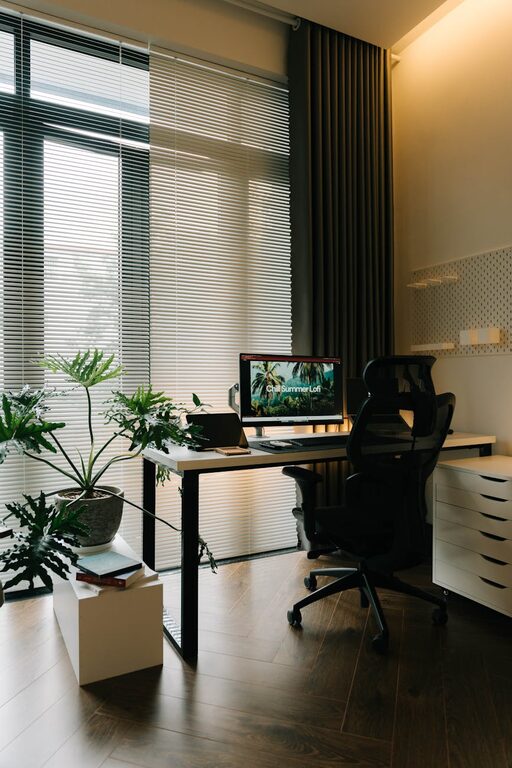
Tips for Creating a Relaxing Home Workspace to Boost Productivity
Creating a relaxing home workspace is essential for maintaining focus,…
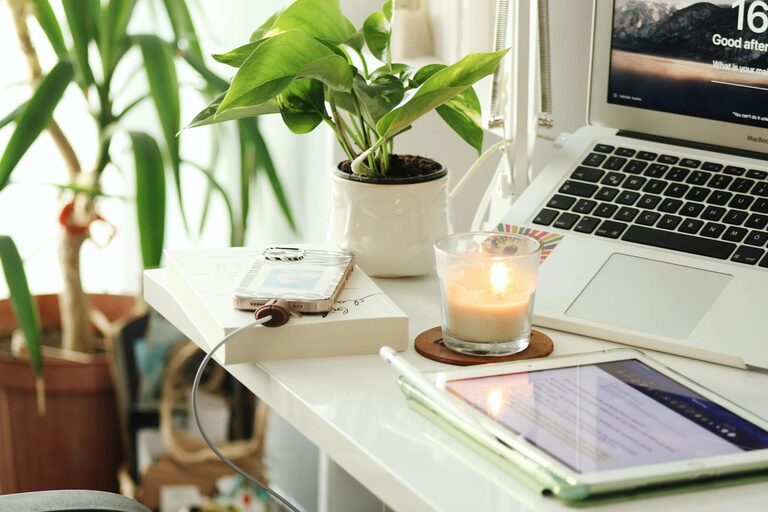
How to Create a Cozy and Productive Home Workspace
Creating a cozy and productive home workspace is essential for…